How Much Time Does Pest Control Take to Take Effect in North York?
If you’re booking pest control North York and asking how fast relief will show up, the short answer is: it depends on the pest, the treatment, and the property. Several homeowners in North York, ON notice a noticeable reduction within a day or two, while others need a full treatment control plan with follow-through, monitoring, and a follow-up visit before the problem is fully under control.
That timing matters in North York because homes and buildings here are varied. A high-rise near transit, a townhouse in a dense neighbourhood, and an older semi near the edge of Toronto can all respond differently. The same goes for the type of pest: ants, cockroaches, bed bugs, mice, and rats each behave differently, especially when they’re nesting, foraging, or using hidden entry points.
For most residents in North York and the wider Toronto area, pest control works in stages. The first service visit may create a chemical barrier or place bait stations, but the full extermination process often takes time because pests must contact the treatment, carry bait back to colonies, or be removed through repeated monitoring and sanitation measures.
What influences the speed at which pest control works?
Multiple factors influence the treatment timeline. How quickly results appear is not only about the product used; it’s also about the biology of the pest and the conditions inside the property.
- Pest species: Some types of pests are easier to target quickly than others. Ants and certain roaches may respond faster to baits or residual treatment, while bed bugs and rodents usually require more time and follow-up.
- Infestation severity: A small, early issue is usually faster to resolve than a large infestation level with established harborage and multiple nesting sites.
- Treatment method: Spray-based applications, baiting systems, traps, and non-chemical methods all work on different timelines.
- Environmental conditions: Temperature, humidity, clutter, access to food, and hidden voids can all influence how well treatment spreads and how long it takes to work.
An experienced technician will usually begin with an inspection to identify the pest, locate nesting areas, find entry points, and evaluate sanitation issues. From there, the pest professional may recommend a residual treatment, bait stations, exclusion work, or a combination under an integrated pest management approach. That matters because pest control is not just about killing visible bugs or rodents. It also involves prevention, reducing harborage, and stopping reinfestation.
Resistance can also slow progress. Some cockroach populations, for example, may be less responsive to certain products, which is why the control plan may need adjustment. In other cases, the issue is structural: pests keep returning because they have access through gaps, plumbing lines, or utility penetrations. Without sealing those areas, even a strong treatment may only provide temporary relief.
How many days do usual North York pest treatments last?
The time frame varies by pest, but there are certain common guidelines homeowners in North York can expect.
Ants
Ant treatments often show changes fairly quickly, especially when bait is used correctly. In many cases, the bait attracts workers during foraging, and they take it back to the colony. That means the issue may not go away immediately, but activity can begin dropping within a few days.
Residual treatment can also help create a barrier around entry points, but ants may still appear briefly as the colony reacts. If the infestation is minor and sanitation is improved, results may come sooner. If there are multiple colonies or hidden access routes, more time is needed.
Cockroaches
Cockroaches usually take longer to eliminate than ants. A technician may use gel baits, bait stations, and a residual treatment to target the insects where they hide. The challenge is that roaches often live deep in cracks, behind appliances, and inside wall voids, so the treatment must reach the places they use for harborage.
Many North York households notice a reduction in activity within several days, but full control can take longer, especially in kitchens, bathrooms, and shared utility spaces. Ongoing sanitation measures are important because crumbs, grease, and water sources can keep the infestation going.
Bed bugs
Bed bugs are among the slowest pests to resolve. Unlike ants or roaches, they don’t respond to a quick bait system. They hide in mattresses, bed frames, baseboards, furniture seams, and small cracks, and they often require a combination of heat, targeted residual applications, vacuuming, and follow-up monitoring.
Because bed bugs move with people and belongings, a single service visit rarely solves the whole issue. In North York apartments and condos, the process may be even more complex if the bugs are travelling between units. A full treatment timeline can stretch over multiple visits, especially when eggs hatch after the first round and require follow-through.
Mice and rats
Field mice and rodents are often handled through trapping, proofing, sanitation, and bait boxes placed strategically along travel routes. In some cases, you may notice signs of progress rapidly, but pest management usually takes patience because the animals are cautious and may avoid new treatments at first.
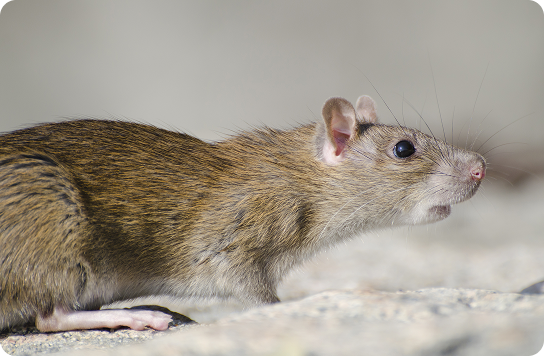
Norway rats can be especially challenging in crowded city settings like North York, where food sources, shelter, and access paths are easy to find. Proper control often depends on sealing openings, cutting down access to food and water, and maintaining monitoring until activity levels drops to zero.
What to expect after a pest control visit
Immediately after a service visit, effects may be gradual rather than dramatic. This is normal. The treatment may need time to spread, draw pests in, or disrupt breeding and nesting behaviour.
If your technician used a residual insecticide, expect a continuing residual effect that remains active on treated surfaces for a period of time. Pests that cross those areas may be affected later, which is why immediate disappearance is not always the goal. In some cases, the goal is a gradual drop in sightings and activity reduction over several days.
If the provider installed baiting systems or bait stations, the pests may need time to find and take the bait. This is common with ants, cockroaches, mice, and rats. Baits work best when pests keep feeding and carry the active ingredient back into the https://mosquitoman.ca/pest-control/north-york/ colony or nesting network.
A follow-up inspection is often part of a thorough control plan. This lets the technician verify whether the treatment is working, replace bait if needed, and adjust the strategy based on new signs of activity. In many homes, pest control is not a one-and-done service; it is a process that combines elimination, prevention, and monitoring.
Homeowners can help by keeping the area clean, following sanitation advice, and avoiding the accidental removal of products placed for long-term control. If the treatment includes a chemical barrier or non-chemical methods like exclusion and trapping, following the instructions closely can make a noticeable difference in the outcome.
Why pest control in North York can take longer in some properties
North York has a large range of structures, and that mix directly impacts how quickly pest control works. A service in a detached home does not behave the same way as a solution in a condo tower or a multi-unit building.
Apartment complexes and concrete residential buildings can form hidden movement paths through utility chases, plumbing voids, and wall openings. While the building may seem sealed, pests can travel between suites and common areas. That means your unit may improve, only to be affected again if another unit has pest activity or poor sanitation.
Semi detached homes and homes with shared walls may also need extra time because pests can move between connected spaces. If the adjacent unit is untreated, the problem can continue despite a complete service visit. This is one reason pest control in North York often benefits from combined treatment across several units when possible.
Multi-unit buildings can pose the same issue on a larger scale. Mouse activity, cockroach harborage, and even ant nests can spread through shared elements if the property manager doesn’t combine treatment with inspection, sealing, and ongoing oversight. In these situations, one apartment’s success may depend on what is happening beside it or downstairs.
One more factor is the age and design of the home. Older North York properties may have more spaces around pipes, deteriorated framing, or unsealed utility areas that create shelter and passage. This can reduce the pace of extermination if the pests have many hidden routes. With more entry points involved, the more significant important blocking and follow-through become.
Indicators the treatment is working
There are a number of dependable indicators that pest control is on track. These signs are often more telling than waiting for total silence right away.
- Dead pests: Seeing dead insects or rodents can indicate the treatment is taking effect.
- Reduced droppings: Fewer droppings suggest lower activity from mice or rats.
- Less scratching at night: This is often a good sign that rodent activity is dropping.
- Fewer sightings: A steady decrease in visible pests usually means the control plan is working.
You might also see less movement around kitchens, baseboards, or storage spaces where pests were previously active. When it comes to ants and cockroaches, the change can be seen in fewer trails, less foraging, and reduced activity around food and water sources. With bed bugs, signs are subtler, but declining bites, fewer live bugs, and a drop in spotting during inspections can all point in the right direction.
Note that some activity can briefly increase after treatment. This is not necessarily a sign of failure. Pests may be displaced from their harborage, pushed into new paths, or exposed by the residual effect. The key question is whether the overall trend is moving downward.
When should you call for a follow-up
When pest sightings continue after the expected window, it may be time for a follow-up treatment or a further service visit. The right provider will explain the warranty terms plainly so you know what’s covered and for how long.
A follow-up visit is especially important when the infestation is heavy, the building has shared walls, or the pest is known for difficult elimination. Bed bugs almost always require ongoing monitoring, and rodents can need a few visits to ensure all activity has stopped. Cockroaches may also need additional control if colonies remain active or sanitation has not improved enough.
If the pests return after an apparent success, that may point to reinfestation rather than treatment failure. New entry points, neighbouring units, seasonal pressure, or poor sealing can all allow pests back in. The technician may recommend additional sealing, stronger cleaning, additional bait stations, or a revised integrated pest management approach.
In North York, prompt follow-up is especially valuable in apartment and condo settings. Because pest pressure can spread through connected spaces, waiting too long can allow the issue to rebuild. Monitoring after treatment helps confirm that the pest population is dropping rather than quietly persisting out of sight.
Pest concerns in North York which may influence how long it takes
Neighborhood factors in North York can shape how long treatment takes. The neighbourhood mix includes high-rise buildings, townhomes, older detached properties, and semi-detached homes, all within a dense part of Toronto. That combination creates many chances for pests to move, hide, and return.
Basements are a frequent problem area. They can provide moisture, darkness, storage clutter, and access points that make them ideal for rodents and insects. Utility rooms, laundry areas, and unfinished lower levels often become harborage zones where pests nest or travel unnoticed. If these spaces are not inspected and treated carefully, the problem may linger.

Older housing stock can also delay results because of aging construction, cracks, and gaps around plumbing or foundations. Even if the visible infestation is addressed, hidden access routes may keep feeding the problem. In these homes, exclusion and sanitation measures are equally important as the initial treatment.
North York also has landscaped green spaces, ravine edges, and landscaped areas that can support pest populations nearby. Those outdoor habitats can increase pressure on homes at certain times of year, especially when pests move indoors seeking food or shelter.
Seasonal pest activity is another major factor. In spring and summer, insect activity often rises as ants and cockroaches become more active. In the fall, rodents such as mice and rats are more likely to move indoors. That seasonal shift across North York and the GTA can make pest control feel slower simply because new pests are entering while treatment is already underway.
For strong results, homeowners should think beyond one service visit. A strong plan includes inspection, treatment, prevention, and ongoing monitoring. That is the practical core of integrated pest management, and it is often the best way to reduce the chance of reinfestation over time.
FAQ: pest control North York timeline questions
How quickly should I see changes after pest control in North York?
Many people experience some progress within days, but the specific timeframe depends on the pest, the infestation level, and the service approach. Ant problems may show a noticeable reduction relatively soon, while bed bugs and rodents often take more time. In North York, property type and shared walls can also affect how fast you see results.
Do sprays work faster than baits for pests in North York homes?
Sprays can create a more immediate visible impact in some cases, especially when a residual treatment is applied to infested spots. However, bait stations often work better for certain pests because they reach colonies or hidden nesting sites. The most effective option depends on the pest and the control plan, not just the product type.
What makes it so do bed bug treatments take longer than ant or roach treatments?
Bed bugs remain hidden in small cracks, travel on belongings, and often require more than one treatment methods. Unlike ants or cockroaches, they are harder to eliminate with one service visit. Follow-up inspection, monitoring, and follow-through are usually needed to address eggs, hidden bugs, and any reinfestation risk.
How many total follow-up visits are generally needed for pest control in North York?
It depends on the pest and the building. Some ant or cockroach problems may need one follow-up visit, while bed bugs or rodents can require several. Multi-unit buildings, condominiums, and homes with shared walls may need extra monitoring because pests can move between spaces.
What do I do if I still see pests after treatment?
If pests remain after the expected timeline, contact the pest control provider for a follow-up inspection. You may need repeat treatment, additional bait stations, or updated sanitation measures. It’s also important to check entry points, reduce food and water access, and confirm whether your warranty covers the situation.